“by nature” search results (10000)

Characteristics of natural fermented, mellow and insolated Ethiopian coffee varieties taste manor boutique coffee bean flavor
Ethiopia has unique natural conditions suitable for growing all imaginable varieties of coffee. As a upland crop, Ethiopian coffee beans are mainly grown in areas between 1100 and 2300 meters above sea level, roughly distributed in southern Ethiopia. Deep soil, well drained soil, weakly acidic soil, laterite and soil are soft and contain
2016-09-01 Natural fermented mellow solarization Ethiopia coffee varieties characteristics taste
Introduction to the processing method of sun washing and semi-washing of coffee beans
Introduction of coffee treatment 1. The process of natural solarization (Natural/Dried-in-the-Fruit) is the simplest. The fruit begins the process of sun drying without treatment after picking. This is the oldest method of treatment in existence. This method is still used in places such as Ethiopia and Brazil. Natural solarization is most common in areas where water resources are scarce.
2016-10-21 Coffee beans solarization washing processing process method treatment introduction coffee
Natural certified Kintamani volcano coffee beans in Bali, Indonesia
Beans from Bali, Indonesia, Bali Kintamani Natural Kintamani volcano naturally mature Natural organic certification, rainforest certification. The sack of beans is very personalized. I call it Devil Dou . It seems to be a local god in Bali or something. When it comes to Bali, it always seems to think of its beautiful natural environment, beach, ocean and blue sky. Bali
2014-11-11 Coffee knowledge Indonesian coffee beans volcano coffee beans
Introduction of Coffee processing by Water washing, semi-washing and Natural drying
Because the quality of the solarization method is not easy to control, there is a half-solarization method. Among them, there are several kinds of transformation, the most frequently mentioned are fruit paste solarization and honey treatment. Some people say that honey treatment is Puiped Natural Process, but we do not refute it, because the two methods are too similar. However, according to Los Lajones Manor, we think that the honey place
2016-10-17 Washing semi-water natural drying coffee processing treatment introduction
Introduction of Salvadoran Coffee Manor with Natural shaded woodland
The country has 10 per cent forest cover, of which more than 80 per cent is natural shaded woodland, which is ideal for the planting of coffee trees (shade grown coffee), which is very important for the Central American ecological corridor (Central American Biological Corridor). But in 1970, a serious coffee leaf rust spot (coffee leaf rust disease) occurred in order to
2016-06-22 Natural shaded woodland El Salvador coffee manor introduction sa country land 1
Variety characteristics of naturally fermented sun-cured Ethiopian coffee introduction to the flavor of fine coffee beans in the manor
Ethiopia has unique natural conditions suitable for growing all imaginable varieties of coffee. As a upland crop, Ethiopian coffee beans are mainly grown in areas between 1100 and 2300 meters above sea level, roughly distributed in southern Ethiopia. Deep soil, well drained soil, weakly acidic soil, laterite and soil are soft and contain
2016-09-01 Natural fermented solarization Ethiopia coffee variety characteristics taste manor
Taste characteristics of natural Ethiopian coffee fermented in the sun introduction to the flavor of fine coffee beans in the manor
Ethiopia has unique natural conditions suitable for growing all imaginable varieties of coffee. As a upland crop, Ethiopian coffee beans are mainly grown in areas between 1100 and 2300 meters above sea level, roughly distributed in southern Ethiopia. Deep soil, well drained soil, weakly acidic soil, laterite and soil are soft and contain
2016-09-03 Sun fermentation Natural Ethiopia Coffee Taste Variety characteristics Manor
Introduction to the flavor of high-quality coffee beans in the manor characteristics of natural Ethiopian coffee fermented in the sun
Ethiopia has unique natural conditions suitable for growing all imaginable varieties of coffee. As a upland crop, Ethiopian coffee beans are mainly grown in areas between 1100 and 2300 meters above sea level, roughly distributed in southern Ethiopia. Deep soil, well drained soil, weakly acidic soil, laterite and soil are soft and contain
2016-09-05 Sun fermentation natural Ethiopia coffee taste variety manor characteristics
Ethiopian Harald G4 | Harald coffee is dried naturally.
Ethiopian Harald G4 | EthiopiaHarrar Grade4 Harald coffee is cultivated by natural drying between 1800m and 2500m above sea level and exported to countries around the world through the city of Dire Dawa. Because of its high popularity and low production, the price is high relative to its grade, and it is one of the most beloved premium coffee in the world.
2016-05-05 Ethiopia Harald Rahl Coffee through Natural dry way
Coffee Knowledge Natural Decaf Coffee Laurina
There are always some people who can't accept caffeine for various reasons, but like the aroma and taste of coffee. Therefore, in the past, we tried to remove caffeine from coffee beans by manual treatment (such as Swiss water treatment method). The level of artificially processed decaf coffee has been increasing, but there is always the perception that it will taste worse than it did before decaffeination. scientists also
2014-09-27 Coffee knowledge Decaf coffee Coffee encyclopedia
Dry treatment (natural full sun treatment), wet treatment (water washing and fermentation), semi-washing of coffee beans
Dry treatment (secado), also known as natural all-day exposure (natural). After the coffee fruit is actually picked, it is dried directly in the sun. According to the weather conditions, it is generally necessary to dry the coffee beans for 2 weeks to reduce the water content of the coffee beans to 10%, 12%, and then use a machine to remove the dried peel and pulp. The raw bean processing plant (beneficio) usually retains the parchment paper shell (par) on the outside of the coffee bean when the raw bean is stored.
2015-11-04 Coffee beans processed Natural Solar washed fermented treated secado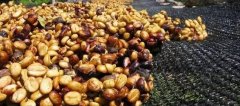
In addition to the sun, washing and washing, there is also a method called honey treatment.
Http://blog.seattlecoffeeworks.com/roastery/earth-honey-process/ do you know where coffee comes from? Today, we have carefully prepared this article for your readers. The article gives a rough account of how coffee beans change from fruit to mellow coffee. Among them, we focus on the raw bean treatment process of coffee, as well as
2015-09-10 Coffee processing methods in addition to the sun washing and a kind called honey English
Introduction to Cuban Crystal Coffee with Natural growing conditions
In Cuba, most of the coffee beans are picked by hand. Coffee beans are picked about every half a month during the ripening period. During or after picking, coffee beans are classified and those immature and bad beans are removed to ensure the quality of the coffee. Cubans usually deal with coffee beans in two ways: sun exposure and water washing. Sunbathing is the easiest,
2016-06-23 Natural planting conditions Cuba Crystal Coffee introduction Coffee beans picking
Indonesian Musk Coffee (Kopi Luwak)
Most friends who like coffee are familiar with the name "civet". On the one hand, it is its "craftsmanship", and the other is its price, which seems to cast a mysterious veil over the civet coffee. Let the world, let many friends who love coffee are difficult to see in person.
2014-07-03 Coffee knowledge Indonesian Coffee Kopi Luwak Coffee Encyclopedia
Introduction to the treatment of coffee beans how many treatment methods are there?
In the process of washing, the peel and pulp of the fruit are treated by a special desizing machine and the coffee beans are peeled off. The coffee beans then enter the fermentation tank for fermentation treatment so that the mucous membrane is no longer sticky. The sugars in the mucous membrane are decomposed during fermentation. Depending on the fermentation method, the fermentation time is usually 12 hours to 6 days (some growers use the watering system to ferment coffee beans.
2016-07-11 Coffee beans treatment method introduction how much washing process fruit
Description of Coffee Flavor in Crystal Mountain, Cuba; introduction to the taste of fine coffee
In 1748, coffee was introduced into Cuba from Domiga, and Cuba began to grow coffee ever since. With fertile land, humid climate and abundant Rain Water, Cuba can be called a natural treasure land for coffee cultivation. The suitable natural conditions provide a favorable natural environment for the growth of coffee trees, and coffee is well planted and developed here. In Cuba, the cultivation of coffee is regulated by the state. Cuba is the best
2016-10-09 Cuba Crystal Mountain coffee flavor description producing area characteristics boutique taste introduction
Introduction to the flavor and taste characteristics of the coffee producing area of Saint Roman, Costa Rica, which has a unique and strong flavor.
A total of 34 natural parks have been established and developed in Costa Rica, and by 2014, they have all become important tourist attractions for earning foreign exchange. According to statistics released by Colombia's National Nature Conservation Agency, in the first half of 2003, more than 500,000 visitors visited natural parks, earning more than 2 million US dollars, an increase of 2.3 times over last year. The leader of the increase in income from natural parks in Costa Rica
2016-08-16 Aroma unique strong Costa Rica Roman coffee manor producing area flavor
Indonesian civet coffee (Kopi Luwak) Kopi Luwak
Most coffee lovers are familiar with the name civet, because of its craftsmanship and price, which seem to cast a mysterious veil over civet coffee. Let the world, let many friends who love coffee are difficult to see in person. Muskcat poop civet, Indonesian Luwak, is grown on the Indonesian island of Sumatra.
2014-08-25 Indonesian civet coffee Kopi Luwak
Taste mild, Ecuadorian coffee producing area manor introduces San Cristobal producing area
The coffee beans produced in Guadore's Galapagos Islands are organic coffee beans, thanks to the unique ecological environment such as volcanic soil and microclimate, coupled with the fact that they do not use any chemical fertilizers or pesticides, they are recognized as natural green boutique coffee. this naturally grown coffee has a mild taste with a hint of flowers and fruit and caramel. It is understood that the Galapagos Islands are far from Ecuador.
2016-07-12 Taste mild Ecuador coffee producing area manor introduction Crystal Val
Introduction of Santa Cruz Manor in Ecuador Coffee Manor with Natural planting Environment
As coffee is consumed by people all over the world, the world coffee industry is also moving towards mass production, while St. Cristobal, a small and unreliable coffee industry, is in trouble and is likely to be forced to give up without profit. It wasn't until the early 1990s that the Gonzalez family bought Hasunda Coffee Park. Humboldt current (HumboldtCurr
2016-07-12 Natural planting Environment Ecuador Coffee Manor producing area introduction Crewe along with